Select Sizes
This product has multiple variants. The options may be chosen on the product page
Select Sizes
This product has multiple variants. The options may be chosen on the product page
Add to Cart
Add to Wishlist
Compare Product
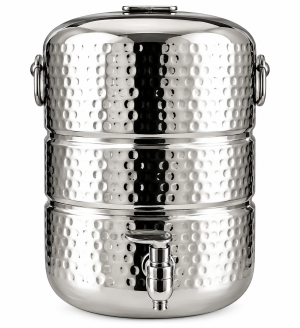
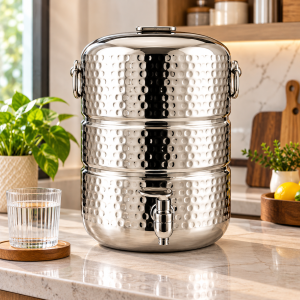
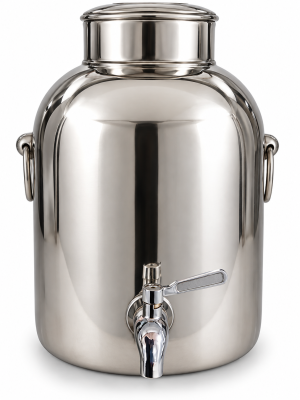
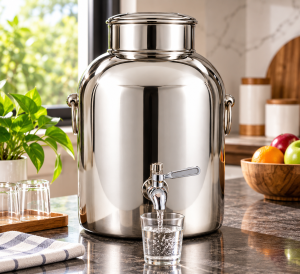
Prabha Tapered Stainless Steel Water Pot – Plain Finish – Traditional Drinking Water Storage
Rated 5.00 out of 5
₹2,710₹3,890(15% OFF)
India’s Oldest Cooling System, Water Matka Still Works Better Than Your Fridge
Walk into any traditional Indian kitchen in the middle of May and chances are there’s a matka sitting quietly in a corner, doing its job without any fuss. No plug point. No compressor noise. No electricity bill spike. Just cool, clean water the way it’s been for centuries.
The irony is that as India modernised, the matka quietly disappeared from urban homes. Replaced by RO purifiers, stainless steel bottles, and plastic water cans that stack neatly in apartments but leave a slightly odd aftertaste. And now? People want the matka back.
Not out of nostalgia. Out of sense.
If you’ve been thinking about buying a water matka, or you grew up drinking from one and are done pretending refrigerator water is better, you’re in the right place. This guide covers everything honestly: how clay cools water, which matka to pick, how to clean it, and why switching to an earthen pot is one of the most practical health decisions you can make this year.
Why Does Matka Water Taste So Different?
You already know the answer, you’ve tasted it. That slightly cool, faintly earthy, deeply satisfying glass of water that a refrigerator simply cannot replicate. There’s a reason for that, and it’s not nostalgia playing tricks.
A matka is made of unglazed, porous clay. Water slowly seeps through those tiny pores to the outer surface of the pot, then evaporates. Evaporation takes heat with it. So the water inside stays cool constantly without any mechanical assistance. The same physics that makes sweat cool your skin is what makes a matka work. It’s a passive, continuous cooling loop.
The cooling isn’t the only thing, though. Clay is mildly alkaline. As water sits in an earthen pot, its pH gradually rises to 7.5–8. That slight shift in alkalinity can ease acidity, is gentler on the digestive system, and makes the water feel more hydrating overall. And unlike distilled or RO-purified water that strips out everything good and bad alike matka water picks up trace minerals from the clay. Calcium, magnesium, and small amounts of iron. Nothing dramatic, but the body notices.
Cold water straight out of the fridge, especially in summer, can shock the throat, trigger headaches, or worsen sinus issues for people already prone to them. Matka water is cool, not cold. That difference matters more than most people realise.
The Real Problem With Plastic Water Containers
Let’s not dance around it. Plastic is cheap, widely available, and genuinely convenient and it’s also a slow problem that doesn’t announce itself.
Even food-grade plastic containers, when left in a warm kitchen or a stuffy storage room, begin to interact with the water inside them. Microplastics. Trace chemical leaching. Studies keep stacking up on this, and while no single exposure is catastrophic, the cumulative effect of drinking from plastic containers daily year after year is not something health-conscious families should ignore.
Steel is a safer choice. But a steel bottle doesn’t cool water. It retains the temperature at which it was filled, adds a subtle metallic note to the taste, and offers no health benefits beyond containment.
A matka does more than store water. It actively conditions it.
If you’re already thoughtful about what goes on your dining table and if you’ve been exploring options from our modern dining essentials guide it’s worth extending that same attention to what water is served from. The vessel matters.
What Actually Happens to Your Body When You Drink Matka Water Regularly
This isn’t a list of miraculous claims. These are practical, observable things that regular matka users report and that have sensible explanations behind them:
Digestion improves. The alkalinity of clay-conditioned water helps neutralise stomach acid. People who struggle with post-meal bloating or acid reflux often find matka water easier to tolerate than cold, acidic bottled water.
Less throat irritation in summer. Ice-cold water can cause blood vessels in the throat to suddenly contract. Matka water is refreshingly cool without being aggressive. Children especially benefit from this during school exam months when hydration and throat health matter.
You drink more. This sounds trivial but it’s significant. Water that tastes pleasant gets consumed more freely. If your family is currently under-hydrated because nobody loves the taste of their filtered water, a matka will change that.
No chemical aftertaste. If you’ve noticed that certain plastic containers leave a faint plastic smell in the water, especially in summer, you won’t find that with clay.
Ayurveda has recommended storing water in earthen vessels for thousands of years. Modern science has spent the last few decades catching up with a lot of what Ayurvedic texts already said plainly.
Choosing the Right Matka – What to Look For
The matka market has grown considerably. Handcrafted, machine-made, plain, painted, with stands, without stands, it can get confusing fast. Here’s what actually matters:
Clay quality first. Always. The pot must be unglazed on the inside, that’s the surface water interacts with. Glazed interiors look polished and last longer in photographs, but they defeat the whole purpose. The cooling, the mineral transfer, the taste, all of it depends on unglazed, porous clay.
Size for your household. A family of two or three manages well with a 5–8 litre pot. If you have four or more people at home, or if your summers run particularly brutal (Rajasthan, Gujarat, Telangana, you know who you are), go for 10–15 litres. A larger volume holds its temperature better through the day.
Where the clay comes from. Matkas from Khurja in UP, Kutch in Gujarat, and Molela in Rajasthan carry a distinct quality that comes from the specific mineral composition of local earth and generations of craft knowledge. If you can identify the origin, that’s a good sign.
Lid and stand. Non-negotiables. A matka without a lid collects dust and insects. A matka without a stand restricts airflow at the bottom, which reduces cooling. Both come standard with quality pots, if they don’t, it’s a corner being cut.
Explore our full range of kitchen and home collections to browse matkas alongside other home essentials curated for the Indian household.
Setting Up a New Matka – Don’t Skip This Part
A brand-new matka has a raw-clay smell and dust trapped in its pores. Rushing straight to daily use gives you water that tastes like soil for the first two weeks. Do this instead:
Rinse the pot three or four times with clean water and discard
Fill it completely and leave it undisturbed for a full 24 hours, this seasons the clay.
Add a small pinch of alum (fitkari) to the first fill, it acts as a natural water purifier and settles any turbidity
Change the water every day for the first week
After seven days, the raw smell will have mellowed and the pot is ready for regular use
Keep it in a spot with decent airflow, a well-ventilated corner, near a window, or on the kitchen platform where air moves. The cooling works through evaporation. Trap the pot in a closed cabinet and you’ve lost most of the benefit.
Keeping Your Matka Clean – Practical Habits
This is where most people go wrong. They either over-clean (soap inside the pot ruins it) or under-clean (let sediment build up and wonder why the water smells odd). The right routine is simple:
Empty and rinse the pot every morning before refilling. Don’t leave water sitting for more than 24 hours in summer
Once a week, use a soft-bristled brush with plain cold water to scrub the interior gently, no soap, no detergent, no harsh chemicals. Anything that lathers will seep into the clay pores and stay there
If the pot develops a musty smell, drop a small piece of natural charcoal or a few neem leaves into the water overnight. By morning, it’s gone
Let the empty pot air-dry in indirect sunlight for a few hours weekly, this kills bacteria that thrive in constant moisture
Check for cracks every couple of months. Hairline cracks that let in air aren’t a cosmetic issue, they’re a hygiene one. A cracked matka should be replaced, not patched
A well-maintained matka easily lasts one full summer season. Many families in traditional households use the same pot for two years or more.
Gifting a Matka – Surprisingly Thoughtful Housewarming Choice
If you’re attending a griha pravesh or setting up a gift for someone moving into a new home, a quality matka paired with a wooden stand makes for an unexpected and genuinely useful gift. Most people receive flowers, dry fruit boxes, or generic showpieces. A handcrafted earthen water pot paired with other kitchen essentials is practical, meaningful, and different.
Our curated list of housewarming gift ideas has options across budgets including pairings that work well for first-time homeowners who are still building their kitchen from scratch.
Where Urban Homes Are Placing the Matka Again
There’s been a quiet but visible shift. In cities like Pune, Bengaluru, and Hyderabad, where apartment living doesn’t always leave room for traditional setups, families are finding creative ways to bring the matka back. A small 5-litre pot on a dedicated corner shelf, a handcrafted matka stand as a design element in the dining area, clay water dispensers that double as décor.
The same households that invest in a premium dinner set for the dining table or research the best pressure cooker in India before buying now apply the same careful thinking to water storage. It’s not backward-looking. It’s knowing better.
As per Vastu Shastra, the North-East corner of the home is considered the ideal placement for a water matka — associated with the water element and believed to bring health and positive energy into the household. Whether you follow Vastu or not, it’s a practical location typically cooler and more ventilated than other corners of the home.
A Final Word
The matka was never really about being old-fashioned. It was about knowing that the simplest solution is often the most effective one. Clay cools water better than most things you’ll find plugged into a socket. It improves the taste, balances the pH, and adds minerals that processed water strips away without asking anything in return except a good rinse each morning.
At Vistaya Store, every product in this category is selected for practical value, not just appearance. A matka that cools properly, ages well, and fits into a real Indian home that’s what we look for. Browse, compare, and pick the one that fits your family and your kitchen.
Frequently Asked Questions
A: Naturally cool, mildly alkaline water that’s free of chemical leaching, easy on the digestive system, and rich in trace minerals from the clay.
A: Keep it in a spot with good airflow the evaporative cooling only works properly when air can circulate around the pot.
A: The North-East direction of the home is recommended as it is associated with the water element in Vastu Shastra.
A: Yes, it is alkaline, mineral-rich, free from plastic contaminants, and gentler on digestion than cold or chemically processed water.
A: Water seeps through the clay’s pores and evaporates on the outer surface, drawing heat away from the water inside, a continuous, passive cooling process.
A: Yes, and it actually improves RO water, the clay restores minerals and natural alkalinity that the purification process removes.
A: Rinse daily with plain water; scrub gently with a soft brush weekly, never use soap or detergent as it seeps into the pores and affects both taste and function.
A: Typically between 7.5 and 8, mildly alkaline, depending on the mineral composition of the clay used.
A: Because of the unglazed clay’s porosity, water seeping through the walls evaporates continuously, keeping the interior temperature lower than the surrounding air.
A: Rinse it 3-4 times, soak for 24 hours with a pinch of alum in the first fill, then change the water daily for a week before moving to regular use.



 Filter
 Select Sizes This product has multiple variants. The options may be chosen on the product pageSelect Sizes This product has multiple variants. The options may be chosen on the product pageAdd to CartCompare Product

 Select Sizes This product has multiple variants. The options may be chosen on the product pageSelect Sizes This product has multiple variants. The options may be chosen on the product pageAdd to CartCompare Product

 Select Sizes This product has multiple variants. The options may be chosen on the product pageSelect Sizes This product has multiple variants. The options may be chosen on the product pageAdd to CartCompare Product

 Select Sizes This product has multiple variants. The options may be chosen on the product pageSelect Sizes This product has multiple variants. The options may be chosen on the product pageAdd to CartCompare Product