Best Housewarming Gifts India 2026 Kitchen Essentials Gift Ideas
27 January 2026

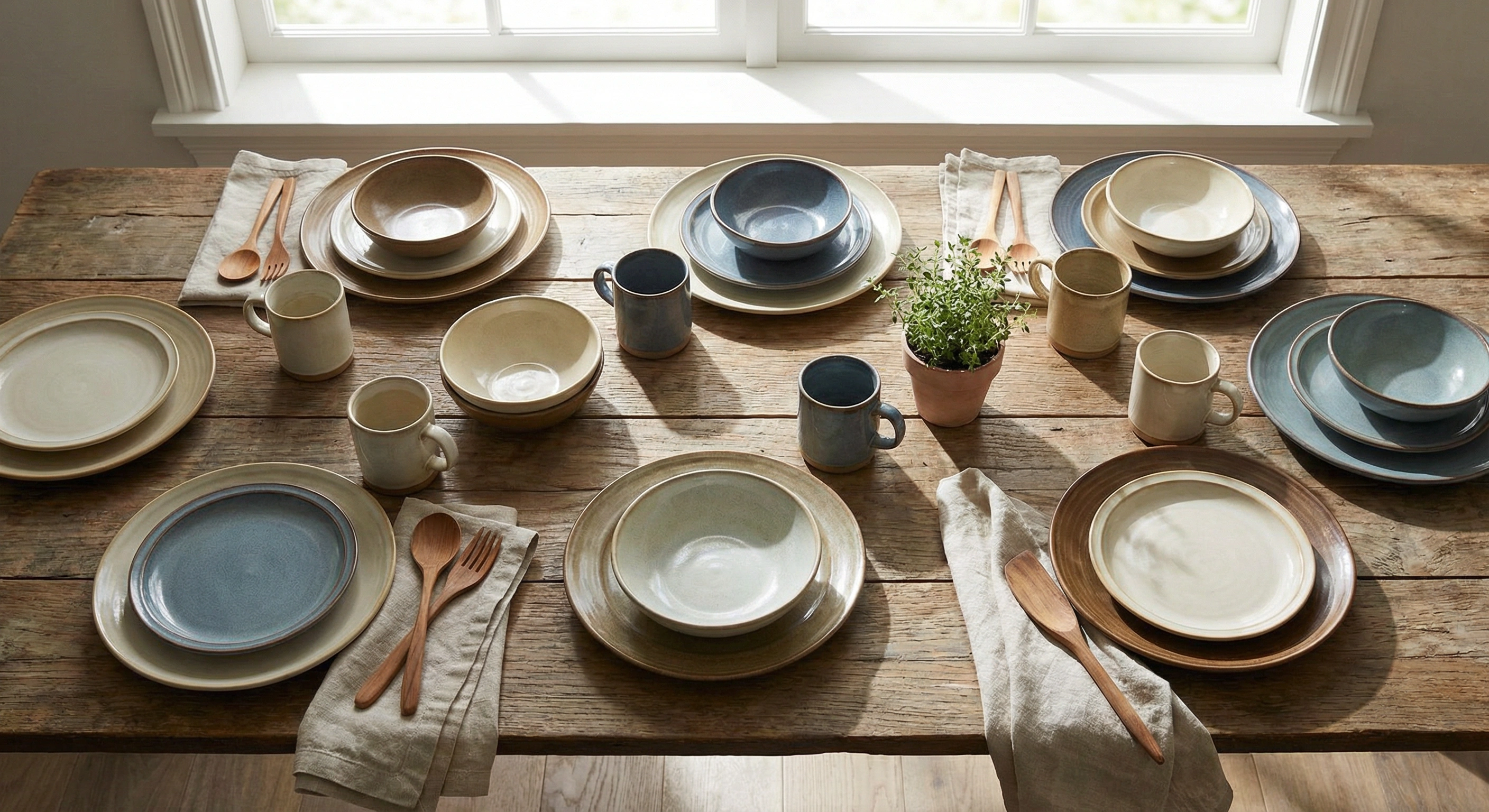
Walk into any crockery shop and you’ll see the same scene play out. People browsing thoughtfully amid rows of shiny plates, delicate cups, bowls in every imaginable size. Sales staff recommending bone china (obviously the most expensive option), while shoppers carefully consider durability versus budget.
This is exactly why choosing the right crockery matters so much.
Making an informed decision now means enjoying beautiful, functional pieces for years to come—avoiding the common issues of chipped edges, stained surfaces, or gorgeous plates sitting unused because they’re “too delicate for daily meals.”
Let’s focus on what actually matters when choosing crockery for a real Indian home. Not a showroom kitchen that nobody cooks in, but the kind where dal gets cooked daily and chai flows freely.
Crockery encompasses all those ceramic or porcelain items we eat from—plates, bowls, cups, serving dishes. It’s different from your spoons and forks (that’s cutlery) and your drinking glasses (that’s glassware). Think of crockery as everything made from fired clay or porcelain that touches your food.
Here’s something helpful to know: the word “crockery” covers a wide range. From that ₹50 plate at the local market to a ₹5,000 bone china dinner plate—technically, both are crockery. Quality? That’s where understanding materials becomes valuable.
Understanding materials is key. The material you choose determines whether you’ll enjoy your purchase for years or need to replace it soon.
Bone china sits at the premium end of the spectrum. Why “bone”? Because it contains bone ash mixed with porcelain clay. This gives it that distinctive translucent look—hold a bone china plate to the light and you can see your hand through it.
How is Bone China Crockery Made?
Manufacturers mix bone ash (usually around 25-50%) with kaolin clay and feldspar, then fire it at high temperatures—between 1200-1450°C. That bone ash content is what makes it strong despite being thin.
Here’s what makes bone china special:
Key Benefits:
Considerations:
Best for: Special occasions, elegant entertaining, tea enthusiasts who appreciate fine details, thoughtful wedding gifts.
This is the reliable choice. Ceramic is what most Indian households use daily, and for good reason—it’s affordable, comes in countless designs, and performs well.
It’s clay that’s been shaped and fired at high temperatures. Simple concept, with quality varying based on manufacturer and firing process.
Key Benefits:
Considerations:
Best for: Daily use, families with active children, budget-conscious buyers, casual everyday dining.
Stoneware is ceramic’s stronger counterpart. It’s fired at higher temperatures (1200-1300°C), making it denser and more durable.
How is Stoneware Crockery Made?
The high firing temperature vitrifies the clay—essentially making it glass-like. This makes it non-porous, preventing absorption of flavors, odors, or bacteria.
Key Benefits:
Considerations:
Best for: Baking enthusiasts, casual everyday use, farmhouse aesthetic lovers.
Melamine is durable plastic molded to resemble ceramic. It’s ideal for kids’ plates, outdoor dining, and active settings.
Key Benefits:
Considerations:
Best for: Children’s dishes, outdoor entertaining, poolside meals, camping trips, casual settings.
Opalware is tempered glass treated to look opaque and milky white. Corelle popularized this in India. It’s three layers of glass laminated together and tempered for strength.
What is Opalware Crockery?
Think of it as ultra-strong glass that looks like ceramic. The three-layer construction creates exceptional strength and chip resistance.
Key Benefits:
Considerations:
Best for: Small kitchens with limited storage, busy families, health-conscious individuals, low-maintenance lifestyle.
Porcelain is premium ceramic made from kaolin clay fired at very high temperatures. It’s white, elegant, and balances bone china quality with ceramic affordability.
Key Benefits:
Considerations:
Best for: Everyday luxury, semi-formal occasions, quality-seekers wanting value.
| Material Type | Product Example | Price | Durability | Weight | Microwave Safe | Best Use | Shop Now |
|---|---|---|---|---|---|---|---|
| Bone China | Vola Gaj Espresso Cup & Saucer Set (6 pcs) | ₹2,900 | High | Light | Yes | Formal dining, tea sets | Buy Now |
| Ceramic | ROXX Stella Mug Set (7 pcs, 180ml) | ₹2,156 | Medium | Medium-Heavy | Yes | Daily use, coffee/tea | Buy Now |
| Ceramic | ROXX New Marina Tea Set (8 pcs) | ₹3,776 | Medium | Medium | Yes | Tea parties, guests | Buy Now |
| Opalware | Corelle Square Round Dinner Plates (6 pcs, 26.7cm) | ₹4,090 | Very High | Very Light | Yes | Daily family dining | Buy Now |
| Porcelain | Vola Pixel Coupe Bowl Set (4 pcs, 12cm) | ₹1,458 | High | Medium | Yes | Serving, desserts | Buy Now |
| Porcelain | Rena Amalfie Porcelain Bucket Set (2 pcs) | ₹1,080 | High | Medium | Yes | Storage, serving | Buy Now |
| Glass/Ceramic | ROXX Araya Storage Jar Set (8 pcs) | ₹4,091 | High | Medium | Check specs | Pantry organization | Buy Now |
Note: All prices include current discounts. Check product pages for latest offers.
Health safety deserves attention when choosing crockery. Some materials offer better safety profiles than others.
Bone China and Porcelain When properly manufactured, these are excellent choices. Natural materials, correctly fired, with lead-free glazes. Always verify food-safe certifications—BIS, FDA, ISO marks provide assurance.
Certified Ceramic Key word: certified. Quality ceramic from reputable manufacturers meets all safety standards.
Opalware/Glass Glass is inherently safe. Non-reactive, doesn’t leach chemicals, easy to sanitize. Excellent choice for health-conscious households.
Quality Stoneware Natural clay fired at high temperatures with lead-free glazes. The non-porous surface maintains excellent hygiene.
Melamine Perfect for cold foods, salads, fruits. For hot foods, choose ceramic-based options. Follow manufacturer guidelines for safe use.
Quality Matters Choose certified brands with proper safety certifications to ensure peace of mind.
Choosing crockery becomes straightforward with the right approach. Here’s a helpful framework:
Consider your needs:
Daily family meals? Ceramic, opalware, or stoneware work beautifully. Elegant entertaining? Bone china or fine porcelain. Active households? Melamine or opalware. Versatile needs? Porcelain or quality ceramic.
Microwave users: Choose microwave-safe ceramic, bone china, or opalware for best results.
Dishwasher owners: Most modern crockery works well in dishwashers. Hand-washing extends lifespan, especially for premium pieces.
Baking enthusiasts? Stoneware is ideal. Some ceramics are oven-safe too—verify specifications.
Expected pricing for a 6-person dinner set in India:
Quality crockery is a worthwhile investment. A good set easily lasts 10-15 years—that’s less than ₹500 annually for daily enjoyment.
Limited cabinet space? Opalware stacks efficiently in minimal space. Generous storage? Explore heavier stoneware sets. Small kitchen? Focus on essentials for optimal organization.
Your crockery should complement your home:
Before purchasing, examine carefully:
Match crockery to your lifestyle. Busy household? Choose low-maintenance opalware. Enjoy caring for fine pieces? Bone china is manageable. Entertain frequently? Keep both daily-use and special sets. Prefer convenience? Select dishwasher-safe options.
Proper care helps your crockery last for years.
Washing:
Storing:
Stain Removal (Indian Kitchen Solutions):
Bone China: Hand-wash when possible. Use lukewarm water. Dry promptly. Store with padding. Allow gradual temperature changes.
Ceramic: Dishwasher-safe, though hand-washing extends lifespan. Check periodically for fine lines in glaze. Update when glaze shows wear.
Stoneware: Very low maintenance. Dishwasher and microwave friendly. Oven-safe with gradual temperature changes (verify manufacturer specifications). Baking soda removes stubborn marks.
Melamine: Hand-wash or use top dishwasher rack. Follow manufacturer guidelines. Replace when showing wear. Avoid using sharp utensils directly.
Opalware: Simple maintenance. Dishwasher and microwave safe. Compact stacking. Excellent stain resistance. Occasionally check for fine cracks.
Building your collection thoughtfully ensures you have essentials without excess.
Shopping for crockery has become convenient with online options, offering comfort and selection from home.
Online retailers now offer extensive collections—everything from budget ceramic to premium bone china. Brands like ROXX, Corelle, Vola, and Rena provide certified, authentic products with careful packaging and delivery.
Explore options at Vistaya Store for complete crockery collection, dinner sets, and cups and saucers. Discover excellent storage containers and cookware for complete kitchen solutions.
Current popular styles reflect evolving tastes:
Clean, timeless designs that enhance food presentation. Classic appeal that endures.
Rustic stoneware with organic edges and earthy glazes. Farm-to-table aesthetic.
Subtle geometric designs in sophisticated colors—contemporary elegance.
Bamboo serving trays and stands paired with ceramic bowls. Sustainable and attractive.
Curated pieces in complementary colors create personalized style.
Gold, silver, copper trim on white crockery adds refined luxury.
What is crockery?
Crockery includes dishes, plates, bowls, and cups made from ceramic or porcelain materials. It encompasses everything you eat from that’s ceramic-based—dinner plates, bowls, serving dishes, cups, saucers—all made from fired clay or porcelain.
What’s the difference between crockery and cutlery?
Crockery refers to plates and bowls made from ceramic materials. Cutlery includes spoons, forks, knives—the metal eating utensils. Together with glassware, they create complete table settings.
Which crockery is best for daily use?
Ceramic, opalware, or porcelain work excellently for everyday meals. They balance durability with value. Opalware particularly—it’s lightweight, chip-resistant, and handles daily use beautifully. Ideal for families.
Is bone china crockery worth the investment?
For special occasions and formal dining, absolutely. It’s elegant, remarkably durable despite delicate appearance, and lasts for generations. For active daily use, ceramic or opalware offers practical advantages.
Can I use crockery in the microwave?
Most ceramic, bone china, porcelain, stoneware, and opalware work well in microwaves. Melamine requires different handling—best for room temperature use. Always verify manufacturer specifications.
How do I know if my crockery contains lead?
Choose reputable brands with food-safe certifications (BIS, FDA, ISO). Quality products from trusted retailers provide safety assurance. Certified products offer peace of mind.
What is opalware crockery?
Tempered glass—three layers laminated together. Extremely lightweight yet remarkably strong, chip-resistant, space-efficient. Corelle popularized it in India. Perfect for everyday use and compact kitchens.
How do I remove tea stains from crockery?
Soak overnight in baking soda and warm water. For persistent stains, apply baking soda paste, then gently scrub. White vinegar solution also works effectively. Denture cleaning tablets offer another solution.
Is melamine crockery safe for hot food?
Melamine works best for room temperature and cold foods. For hot meals, ceramic-based options provide better performance. Follow manufacturer guidelines for optimal use.
How long does crockery typically last?
With proper care, quality crockery lasts 10-15 years comfortably. Bone china and porcelain can last generations. Ceramic and stoneware typically provide 5-10 years of excellent service with regular use. Refresh when showing significant wear.
What size dinner plates should I buy?
Standard Indian dinner plates measure 26-28 cm diameter. For typical Indian meals with multiple dishes, 26-27 cm works beautifully. Larger 28 cm plates suit Western single-course meals. Quarter plates should be 18-20 cm.
Can I put crockery in the dishwasher?
Most modern crockery handles dishwashers well. Hand-washing extends lifespan significantly. Items with metallic trim, vintage pieces, and delicate hand-painted items benefit from hand-washing. Provide adequate space in dishwasher.
How do I choose crockery for gifting?
Select complete sets from premium brands—bone china tea sets, elegant dinner sets with serving pieces, or curated storage sets. Choose timeless designs that suit various preferences. Brands like ROXX or Vola make wonderful gifts. Budget ₹5,000-15,000 for most occasions.
What’s the difference between stoneware and ceramic?
Stoneware is ceramic fired at higher temperatures (1200-1300°C), creating denser, stronger, non-porous material. Regular ceramic fires at lower temperatures with slightly more porosity. Stoneware generally offers enhanced durability.
How should I store crockery to prevent damage?
Place separators (felt or paper) between stacked plates. Store cups upright for proper air circulation. Keep heavier items on lower shelves. Maintain reasonable stack heights. Store delicate bone china in secure cabinets.
The ideal crockery choice aligns with your specific situation, lifestyle, and budget.
Quick decision guide:
Choose trusted retailers offering genuine certified products. Start with essentials, expand thoughtfully. Quality crockery enhances memorable meals, supports your family’s health, and provides lasting value.
Choose wisely. Enjoy every meal.
Ready to upgrade? Browse the premium crockery collection—certified, authentic products from trusted brands delivered safely to your door.

Best Housewarming Gifts India 2026 Kitchen Essentials Gift Ideas
The Complete Guide to Buying the Perfect Dosa Tawa
The Ultimate Guide to Buying Cookware Online

Smart Storage Solutions Organisers Containers Essentials
Top 10 Must-Have Household Essentials for a Functional Kitchen