Why Pressure Cooking is Actually Healthier Than Boiling or Frying
08 January 2026

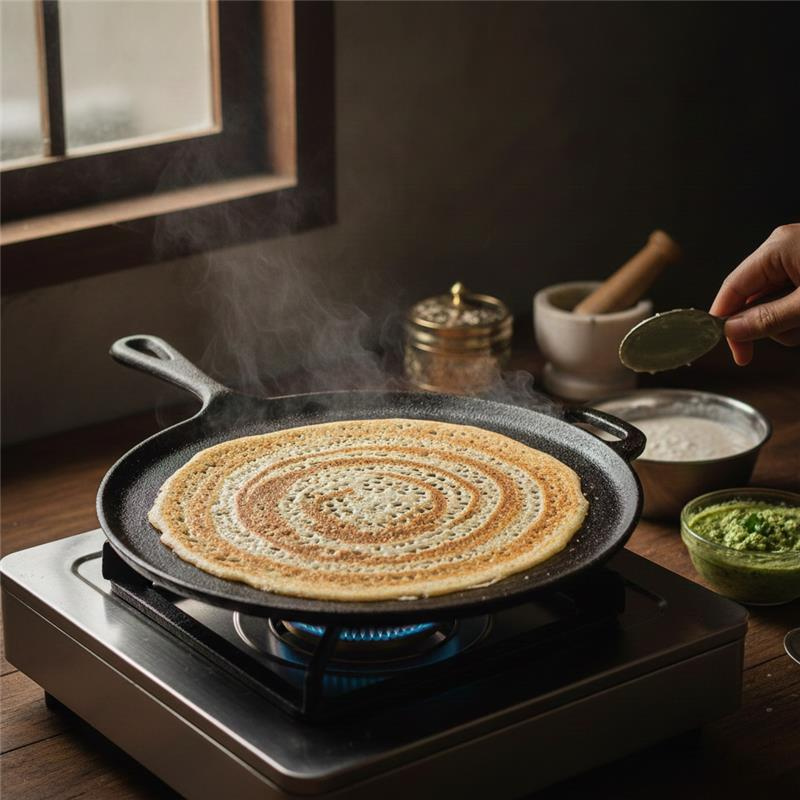
Look, I’ll be straight with you. I’ve ruined more dosas than I care to admit. Batter sticking everywhere, burnt edges, raw middles – the whole nightmare. And you know what? It wasn’t because I couldn’t cook. My grandmother’s recipe was solid. The problem was my tawa.
Spent way too much money buying cheap pans that promised the world and fell short. Eventually figured out what separates the keepers from the disappointments. Let me save you the headache I went through.
You walk into a store (or scroll through products online), see a decent-looking dosa tawa for ₹400, think “hey, that’s a steal,” and grab it. Fast forward two months – it’s warped, nothing releases properly, and you’re back to square one.
The thing is, a proper dosa tawa isn’t just some flat pan. It needs to hold heat without playing favorites. Pour your batter and spread it out – every inch should cook at the same speed. That golden-brown color you want? Only happens when heat spreads evenly.
Then there’s the surface. Lower-quality pans stick frustratingly. You end up using half a bottle of oil just trying to flip one dosa. Compare that to a well-made iron dosa tawa that’s been seasoned right – batter glides, releases clean, and you get that crispy texture restaurants charge premium prices for.
The science behind even heat distribution and material conductivity matters more than most people realize. Understanding how different cookware materials transfer and retain heat is crucial for any serious home cook. Check out our complete guide to buying cookware online that
covers everything from heat distribution to material science – it’ll help you make smarter decisions not just for dosa tawas, but for your entire kitchen.
This debate gets people passionate. I’ve seen strong opinions on both sides. Truth is, both work. Just depends what you’re after.
My grandmother used cast iron. My mother uses cast iron. And yeah, I finally switched to cast iron after wasting money on other options. There’s a reason it sticks around.
A good cast iron dosa tawa feels heavy when you pick it up – around 2-3 kilos usually. Don’t let that scare you. That weight means it holds heat like nothing else. Pour cold batter on it, and the temperature barely drops. Your dosa cooks evenly from start to finish.
But here’s what the sales pages won’t tell you: the first few times you use it will probably frustrate you. Dosas might stick. You’ll wonder if you made the right choice. You did. Cast iron needs breaking in. Takes patience to build up that natural non-stick layer through proper seasoning.
Once you get there though? The difference is remarkable. Those crispy edges, the even browning, the way dosas just slide off – you can’t replicate that with coatings. Plus, you’re actually getting a bit of dietary iron in your food. Not a huge amount, but it adds up over time, especially for kids.
Want to try the real thing? You can buy the best dosa tawa online from places that actually understand what makes cast iron work.
Non stick dosa tawa options make life easier, no question. No seasoning headaches. Less oil needed. Dosas release without drama. For someone just learning, that matters a lot.
Modern ones aren’t like the inferior versions from ten years ago that flaked off in your food. Quality brands make coatings that last several years now. When you check the non stick dosa tawa price, you’ll see everything from ₹500 to ₹2,000+ in multiple options.
General rule: don’t go bottom-barrel. Those thin pans warp the first time you crank up the heat. Mid-range options (₹800-₹1,200) usually give you decent value. The expensive ones cook almost as evenly as cast iron while keeping that easy-release benefit.
Downside? They all wear out eventually. Three to five years with careful use, then you’re buying a new one. Cast iron lasts forever if you don’t drop it off a building.
Here’s a straight comparison of some solid options I’ve researched. These actually deliver on their promises:
| Product Name | Tawa Size | Material | Product Features | Price |
| Bergner Argent Samsara Roti Tawa | 26 cm | Tri-Ply Stainless Steel | Honeycomb structure for non-stick performance and durability. | ₹ 2,085 |
| Stahl Artisan Hybrid Tawa | 25 cm | Hybrid Triply | Hexa-ridge technology, metal spoon friendly, and induction base. | ₹ 2,160 |
| Vinod Hanos Dosa Tawa | 25 cm | Hard Anodised | Extra thick 4.0mm body, non-toxic, and heat resistant. | ₹ 1,180 |
| Tramontina Titanex Cast Iron | 26 cm | Cast Iron | Pre-seasoned concave surface, ideal for traditional rotis. | ₹ 1,946 |
| Vinod Legacy Cast Iron Tawa | 30 cm | Cast Iron | Large flat surface, 100% pure cast iron, induction compatible. | ₹ 2,190 |
| Tramontina Velo Forged Tawa | 28 cm | Forged Aluminium | Ceramic-reinforced coating for high-heat cooking. | ₹ 1,745 |
These aren’t random picks. Each one solves specific problems depending on what you’re dealing with in your kitchen.
Can’t touch it online, so you need to know what you’re looking at.
Size: Most tawas run 10 to 13 inches across. Smaller ones work great for regular dosas and save cabinet space. Bigger ones let you make those impressive restaurant-sized dosas that wow guests. Just make sure your burner can handle the size – a tawa hanging way over the edge won’t heat right.
How Thick the Bottom Is: Aim for at least 3-4mm thick. Thin bases are disappointing. They develop hot spots, warp easily, and lose heat the second you pour batter on them. Thick bases, especially on cast iron (sometimes 5-6mm), stay hot and cook evenly.
The Handle Situation: Wooden handles don’t burn your hand. Metal ones do. Riveted handles are strongest. Welded ones work but might crack eventually. Screw-on handles get loose and are generally the least reliable choice.
What It’s Made From: Good cast iron feels smooth, not rough like sandpaper. For non-stick, make sure it says “PFOA-free” somewhere. Some use ceramic coatings instead of Teflon – both work fine if made properly.
You can’t just unbox cast iron and start cooking. Well, you can, but you’ll be disappointed with the results.
Wash it first with regular dish soap and water. Dry it completely. Stick it on medium heat for a few minutes to make absolutely sure no moisture is left.
Now grab some oil – vegetable, grapeseed, whatever has a high smoke point. Rub a thin layer all over. And I mean thin. Put some on, then wipe it back off like you’re trying to remove it. Just a slight sheen should remain.
Heat it up on medium-high until you see a bit of smoke. Keep it there for 30-40 minutes. The oil literally bonds with the metal at the molecular level. Let it cool down completely. Repeat this at least three times before cooking anything.
First few dosas? Use extra oil. You’re still building up that seasoning. If they stick a little, don’t panic. That’s normal. Keep going.
Dosa tawa price varies wildly. Here’s what’s realistic.
Budget Options (₹300-₹700): Fine for testing if you’re even going to use it regularly. Don’t expect miracles. Thin metal, basic construction, won’t last long. But if you just want to try making dosas occasionally, these work.
Middle Ground (₹800-₹1,500): Sweet spot for most people. Decent thickness, better materials, actually lasts. You can explore the best dosa tawa in this range at Vistaya Store and get something that performs well without emptying your wallet.
Brands in this range usually pay attention to things like even thickness and proper handle attachment. Worth the extra money over bottom-tier options.
Premium Range (₹1,600-₹3,000+): Heavy-duty construction, super smooth finishes on cast iron, multi-layer coatings on non-stick. Companies making these have been doing it for decades and actually care about quality control. If you’re making dosas every week, this is where you want to be.
Stop and think about these questions:
How often are you making dosas? Be honest. Once a month? Get something decent but don’t overthink it. Multiple times a week? Invest in quality cast iron.
Ever made dosas before? Total beginner? Non-stick lets you focus on technique without fighting the pan. Already know what you’re doing? Cast iron takes your results to another level.
Got time for maintenance? Cast iron needs care – no throwing it in the dishwasher, no letting it soak, needs occasional re-seasoning. Non-stick is basically wash-and-done.
What stove do you have? Both types work on gas and electric. Got induction? You need magnetic material. Check before buying or you’ll be stuck with a useless pan.
Based on actual use (not just reading specs online):
For traditional cooking, you can buy dosa tawa online from brands that’ve been making Indian cookware for decades. Look for thick bases and smooth finishes. Reviews mentioning “even heating” are what you want.
Want convenience over tradition? Premium non-stick from known brands gives you great results without the fuss. Just make sure the base is thick and it’s got multiple coating layers.
Best cast iron dosa tawa in India usually comes from manufacturers with serious experience. They cost more upfront but you’re buying once, not every few years.
Mid-range options give you most of what premium models offer at lower prices. Perfect for regular home cooking. Browse the full selection where you can check out our complete range of best dosa tawa knowing each option’s been checked for actual quality.
Take care of your stuff and it’ll take care of you.
Cast iron rules: Don’t wash with soap after that first time. Wipe it clean while it’s still warm. Dry it immediately – moisture is the enemy. Rub a tiny bit of oil on it before putting it away. Food stuck on there? Use coarse salt and a little oil to scrub it off, then rinse and dry.
Non-stick rules: Hand wash only. Dishwashers kill the coating. Use wooden or silicone utensils – metal scratches it up. Don’t heat an empty pan. Don’t go from freezing cold to screaming hot. Let it cool before washing.
Both types: When stacking pans, put paper towels between them so they don’t scratch each other. Store somewhere dry.
Your perfect dosa tawa exists. It’s not about spending the most money or following what everyone else does. It’s about being real with yourself about how much you’ll use it and what you’re willing to deal with.
Cast iron rewards you for putting in effort. The taste, the texture, the fact that your grandkids might use the same pan – that’s the payoff. Non-stick makes life easier at the cost of replacing it eventually. Neither answer is wrong.
Whatever you pick, understand that getting good at making dosas takes practice. Your first batch might not blow anyone away. That’s fine. You’ll get there. And when you’re ready to explore beyond dosas, Vistaya Store offers premium cookware for every Indian cooking need – from kadais to pressure cookers, each piece carefully selected for quality and performance.
Ready to stop settling for pans that don’t deliver? The right tawa is waiting to help you make crispy, golden dosas that’ll have people asking for your secret. Sometimes the real secret isn’t in the recipe – it’s the quality of what you’re cooking on. Start your journey to perfect dosas with the right tools, and you’ll wonder why you waited so long.
The Ultimate Guide to Buying Cookware Online

Smart Storage Solutions Organisers Containers Essentials
Top 10 Must-Have Household Essentials for a Functional Kitchen